


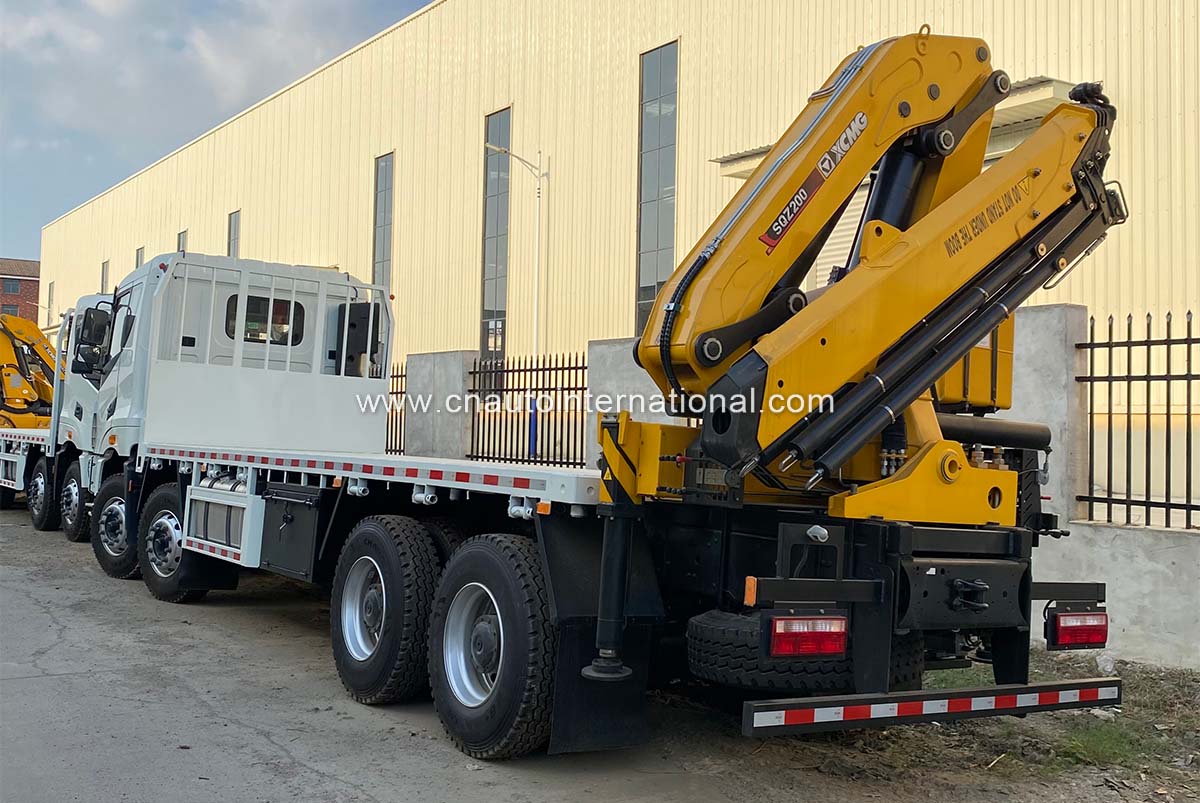
Folding arm crane, also known as folding arm truck mounted crane, is widely used in equipment relocation, municipal emergency repair, construction site material transportation, landscaping engineering and other scenarios due to its compact body, flexible lifting, and strong adaptability to working space. Compared to brand new equipment, second-hand folding arm cranes have lower purchase costs and have become a popular choice for small and medium-sized construction teams and property maintenance enterprises. Folding arm crane is a special lifting equipment, and its hydraulic system, boom structure, and slewing mechanism bear continuous loads. Second hand equipment generally has hidden problems such as component wear and aging seals. If the selection process is not strictly controlled and the operation does not comply with regulations, safety accidents such as crane arm deformation, hydraulic pipe bursting, and heavy object falling are highly likely to occur. This article explains the key points of selecting and using second-hand folding arm cranes from five aspects: vehicle model selection, on-site vehicle condition verification, compliance verification, operational norms, and daily maintenance.
1、 Determine the basic parameters of the aircraft model based on the homework scenario
The first step in selecting a second-hand folding arm crane is to lock the model parameters according to the job requirements to avoid blind selection. Firstly, confirm the maximum daily lifting weight, operating radius, and lifting height. The rated lifting capacity of the articulated crane will decrease with the increase of the operating radius. It is not enough to only look at the maximum tonnage on the nameplate, but also to calculate the effective load based on the farthest operating distance on site.
Next, confirm the chassis compatibility. Folding arm cranes are divided into on-board and independent chassis types. The on-board model needs to be matched with the truck chassis, and the chassis load capacity and annual inspection status need to be checked to ensure that the chassis load capacity meets the requirements of the crane operation. Consideration should also be given to the traffic environment. If the workspace is limited, priority should be given to the compact and foldable short arm model; For outdoor long-distance work, multiple folding arm models can be selected.
At the same time, it is important to understand the operating conditions of the equipment and prioritize selecting equipment previously used for light handling operations. It is advisable to avoid folding arm cranes used for long-term heavy loads, high-frequency lifting, and corrosive mining environments. The metal structure and hydraulic components of such equipment will suffer more severe losses.
2、 On site vehicle condition verification, with a focus on inspecting core components
After parameter matching, on-site inspection is the core step in screening second-hand folding arm cranes, with a focus on checking the three core parts of the crane arm, hydraulic system, and slewing mechanism. Inspect the main steel structure of the boom, carefully examine the surface of the boom, and search for cracks, deformations, and welding repair marks. The boom is the load-bearing body, and any cracking or sheet metal repair marks are significant safety hazards. Pull the telescopic and folding mechanism of the crane arm, observe whether the action is smooth, whether there is any jamming or abnormal noise, and whether the gap between the telescopic and folding of the crane arm is too large.
The hydraulic system is a high-risk area for boom crane failures. Start the equipment and observe whether there is oil leakage or seepage in the hydraulic pipelines and cylinder joints. The hydraulic oil turns black and contains a lot of impurities, indicating inadequate maintenance. Repeatedly test the lifting, amplitude, and rotation movements to determine if the lifting speed is stable and if there is any shaking. Check safety components such as hydraulic locks and relief valves to ensure that the brakes can reliably lock the boom and prevent arm slippage.
Additionally, check the slewing bearings, wire ropes, hooks, and limit devices. The rotation of the rotary disc should be smooth without any obvious looseness; If the steel wire rope is broken, corroded, flattened or deformed, it must be replaced in a timely manner; The lifting height limit and amplitude limit are safety protection devices that need to be tested one by one to ensure that they can stop the action in a timely manner after triggering.
3、 Verify special equipment procedures and confirm compliance qualifications
The folding arm crane belongs to special equipment, and the verification of procedures cannot be ignored, which is also an area that many second-hand equipment buyers tend to overlook. Firstly, check the equipment nameplate, factory certificate of conformity, and historical inspection report to confirm that the equipment identity information and nameplate parameters are consistent.
Check past annual inspection records to confirm whether the equipment has completed special equipment inspections on schedule, and whether there are any records of illegal operations or accidents. Simultaneously confirm the registration certificate and driving license of the accompanying chassis, and verify whether the vehicle has any mortgage or seizure records. If the procedures are incomplete, the inspection is expired, the equipment cannot be legally put into operation, and it cannot pass the safety supervision inspection in the later stage, there is a risk of being suspended and punished. After verifying the accuracy of the procedures, keep the relevant equipment information and promptly handle the transfer of ownership after completing the transaction.
4、 On site operation standards ensure safe lifting operations
After the second-hand folding arm crane is put into use, the operator must comply with the lifting operation specifications. Prepare the site before homework, park the vehicle on a flat and solid ground, set up the support legs, and place a pad under the support legs to prevent the vehicle from tilting due to ground subsidence. Before starting the task, conduct a no-load trial run of the crane to ensure all movements are in place, and check if the limit, braking, and hydraulic systems are functioning properly.
Calculate the weight of heavy objects before lifting operations, and overloading lifting is strictly prohibited. The suspended object should be securely tied, and no one is allowed to stand under it. Operate the handle slowly during the homework process to avoid sudden starts and stops, and to prevent impact loads from damaging the boom and hydraulic components. Stop lifting operations when the wind is too strong and there is insufficient lighting at night. After the homework is completed, retract the crane arm, secure the support legs, reset the equipment, and turn off the power system. Operators must hold a certificate to work, and unlicensed personnel are not allowed to operate the folding arm crane.
5、 Perform daily maintenance to reduce the risk of equipment failure
The second-hand folding arm crane itself has certain wear and tear, and regular maintenance can effectively reduce the probability of failure. After each homework is completed, clean the surface of the crane arm and rotating mechanism of mud and debris, and check whether there are any new leakage points in the pipeline. Regularly replace hydraulic oil and filter elements, and add lubricating grease to the slewing bearings and pin shaft positions.
Regularly inspect the steel structure and check for any new cracks in the welding seams of the crane arm; Check the wear level of the steel wire rope and replace aging parts in a timely manner. Establish an equipment inspection ledger to record each operation and fault information. Once abnormal shaking, abnormal noise, or oil leakage occurs during operation, immediately stop using and shut down for maintenance. It is strictly prohibited to operate equipment with defects.
The second-hand folding arm crane has outstanding cost-effectiveness advantages, but the safety bottom line cannot be relaxed. From preliminary selection and vehicle condition inspection, to compliance verification, on-site operations, and daily maintenance, every step needs to be rigorously implemented. Only by selecting the right equipment and operating in a standardized manner can the advantages of flexible lifting of articulated cranes be fully utilized to ensure the safety and stability of lifting operations.
