


Compressed garbage trucks are the core equipment of environmental sanitation operations, relying on hydraulic compression mechanisms to increase garbage loading capacity, widely used in urban streets, parks, and township environmental sanitation and transportation work. For small and medium-sized sanitation service providers, the purchase cost of second-hand compressed garbage trucks is lower, which can quickly fill the gap of operating vehicles. However, these types of vehicles operate at high intensity for a long time, and the hydraulic system, sealing structure, and chassis generally suffer from significant losses. If the selection is not strictly controlled and the operation is not standardized, hydraulic oil leakage, box damage, compression failure, and even safety hazards are prone to occur. This article explains the key points and usage standards for purchasing second-hand compressed garbage trucks from the aspects of vehicle selection, vehicle condition verification, practical use, and daily maintenance.
1、 Pre selection: Match the job scenario and determine the vehicle specifications
When choosing a second-hand compressed garbage truck, the first step is to determine the vehicle model based on your own operating scenario, and not blindly choose large tonnage vehicles. It is necessary to first clarify the daily amount of garbage cleared, the conditions of the work roads, and the types of garbage. Small and medium-sized compressed garbage trucks weighing 4 to 8 tons are suitable for narrow roads in residential areas and townships; Large industrial parks and urban main roads have a high output of garbage, and vehicles weighing 10 tons or more can be selected.
At the same time, attention should be paid to the types of garbage, such as household waste and kitchen waste, which have strong corrosiveness and higher requirements for the anti-corrosion of the container; The density of construction waste is high, requiring vehicle models with stronger chassis carrying capacity. It is also necessary to verify the vehicle announcement and driving license information, confirm that the vehicle model, total weight, box volume, and actual vehicle are consistent. The key is to confirm the annual inspection status of vehicles and whether the compulsory traffic insurance is valid. Some second-hand sanitation vehicles have a limit on the scrapping period. Before purchasing, verify the service life to avoid buying vehicles that are close to scrapping and cannot undergo annual inspections on the road.
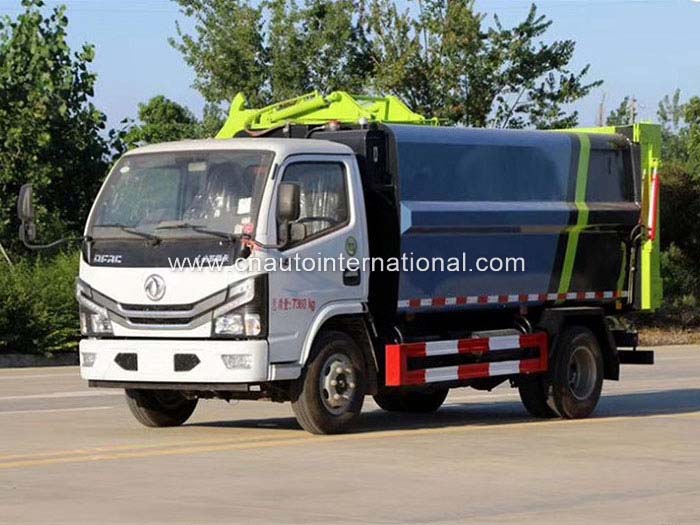
2、 Key vehicle condition verification: chassis, hydraulic and box inspection
The chassis is the load-bearing foundation of the garbage truck, first check the chassis. Check the frame for deformation, cracking, and welding repair marks, check the engine running status, start the engine and observe for any abnormal noise or black smoke, and check for oil emulsification and leakage. Test whether the gearbox shifts smoothly, check the braking system, whether the brake and handbrake response is sensitive, the degree of tire wear, and whether the steel rim is deformed or cracked.
The core of a compressed garbage truck lies in its hydraulic system, which is also the most problematic part of a used car. Check for oil leakage and seepage marks on the hydraulic oil pipes and joints, and for scratches on the hydraulic cylinder. Empty load test the entire compression mechanism, operate the filling device and push plate to cycle, observe whether the action is smooth, whether there is any jamming or abnormal noise, and whether the push plate retracts and squeezes properly. If the action is slow and the shaking is obvious, it indicates that there is wear and tear on the hydraulic pump or valve group, and the subsequent maintenance cost is high.
Focus on checking the steel plate for rust, perforation, and weld cracking in the garbage bin section. The sealing strip at the joint position between the filler and the box is a vulnerable part. Check the aging and damage of the sealing strip. Damaged sealing strip can cause sewage leakage and pollute the road surface during operation. Open the box to inspect the internal push plate, check the wear of the push plate guide rail, and pay attention to the degree of corrosion at the bottom of the box. Prolonged soaking of kitchen waste can easily cause rusting of the bottom plate.
3、 On site testing: complete machine function testing, troubleshooting hidden faults
After the static inspection is completed, on-site testing must be carried out to simulate the real environmental sanitation operation process. Continuously complete multiple garbage loading, compression, and unloading operations without load, observe whether the hydraulic pressure is stable, and whether each limit sensor is triggered normally. Limiting failure can cause the push plate to overshoot and damage the box structure.
During the trial stage, a small amount of garbage can be loaded for load testing to check whether the compression force meets the standard and whether there is rebound after garbage compression. During unloading operations, observe whether the lifting and pushing processes are smooth, and whether the pushing plate can be reset normally after unloading is completed. At the same time, check the vehicle's electronic control panel and test both manual and remote control systems to confirm that there are no faults in the buttons and wiring. Pay attention to any abnormal noise during the homework process. If any abnormal noise occurs, it is necessary to investigate hydraulic components or box interference issues.
4、 Homework standard: Correct use, avoid operational risks
After the vehicle is put into use, the operator must be familiar with the equipment operation process and strictly follow the operation specifications. Before loading garbage, clean up the mixed hard objects such as steel bars and large bricks and stones in the garbage. Hard debris entering the box can scratch the seals, jam the push plate, and cause damage to the mechanism. It is strictly prohibited to load high-temperature garbage, flammable and explosive waste to prevent deformation of the container or fire hazards.
Do not overload during garbage loading. Operate according to the rated loading capacity of the vehicle. Overloading will increase the burden on the chassis, and the hydraulic system will work at full load for a long time, accelerating component aging. During unloading operations, the vehicle should be parked on a flat and solid ground, the handbrake should be pulled up, and no one is allowed to stand around to prevent accidental ejection of the push plate and injury. During vehicle operation, ensure that the filling device is fully locked and do not drive while the filling device is open.
5、 Daily maintenance and upkeep to extend the service life of equipment
The second-hand compressed garbage truck itself has certain wear and tear on its components, and regular maintenance is particularly crucial. After daily homework, rinse the box and filling device, clean up residual garbage and sewage, and reduce the erosion of corrosive substances on steel plates and seals. Check the hydraulic oil level daily, replace the hydraulic oil and filter element regularly, and tighten the hydraulic pipeline joints.
Regularly check the chassis lubricating oil and brake fluid, inspect the sealing strips, and replace aging parts in a timely manner. Before each assignment, conduct a simple test of the compression mechanism to confirm that there are no abnormalities before putting it into operation for cleaning. Establish a vehicle inspection ledger, record faults and maintenance time, promptly repair minor faults found, and avoid the expansion of small problems that may cause downtime and work errors.
Conclusion
The selection of second-hand compressed garbage trucks relies on verifying the reliability of the chassis, the working conditions of the hydraulic system, and the integrity of the casing; Standardized operation and regular maintenance are indispensable during use. When purchasing, environmental sanitation enterprises should not only focus on the price and ignore the condition of the vehicles. Only by strictly adhering to operating standards can the value of second-hand compressed garbage trucks be fully utilized and the task of environmental sanitation and transportation be stably completed.
