


Excavators are the core engineering machinery in earthworks, mining, and municipal construction. For small and medium-sized construction teams and individual machine owners, the purchase cost of second-hand excavators is lower and can quickly recoup costs. However, due to the large number of excavator models, complex working conditions, and long-term high-intensity operations, second-hand equipment generally suffers from hidden problems such as hydraulic system wear, structural fatigue, and engine aging. If the selection is improper, the vehicle condition is not strictly controlled, and the operation is not standardized, it is highly likely to cause downtime, hydraulic pipe bursting, structural cracking, and even safety accidents. This article explains the key points for selecting and using different second-hand excavators from five aspects: excavator type, model matching, core component verification, on-site testing, operation specifications, and maintenance.
1、 Identify the type of excavator and match the work scenario
The first step in selecting a second-hand excavator is to understand the characteristics of different models and classify them according to the operating scenario. Excavators are mainly divided into two categories: tracked and wheeled. Crawler excavators have strong adhesion and good stability, suitable for soft ground, mines, and earthworks; Wheeled excavators are mobile and flexible, capable of self transfer, suitable for road maintenance, municipal pipeline networks, and urban operations.
Divided by tonnage, small excavators (1.5-6 tons) are suitable for narrow sites and sporadic municipal projects; Medium sized excavators (6-30 tons) are the most widely used, covering earthwork excavation and foundation construction; Large excavators (over 30 tons) are used in mines and large-scale earthwork projects. In addition, there are long arm excavators used for deep foundation pits and river dredging, and grab machines used for waste loading and unloading, which need to be selected based on specific business needs.
When determining the type, it is necessary to take into account the nature of the project that has been undertaken for many years, in order to avoid mismatches between the model and the business, which may result in idle or inadequate equipment.
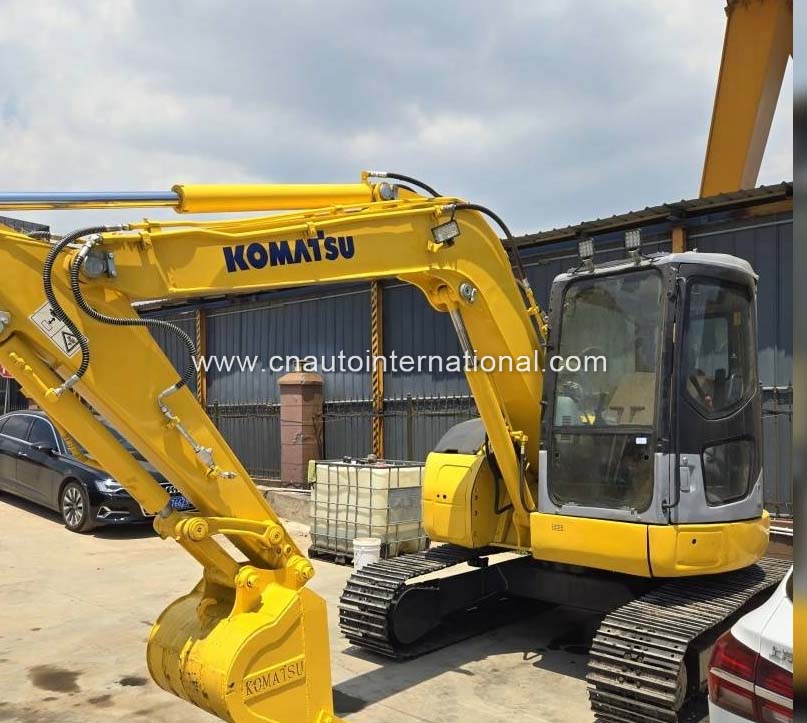
2、 Determine tonnage and configuration based on working conditions
After determining the major categories of aircraft models, the focus is on selecting tonnage and key configurations. The tonnage determines the excavation force and operational efficiency. Blindly installing small projects on large machines not only results in high fuel consumption and difficult transfer, but also easily damages the ground; Using small machines for large-scale earthworks results in low efficiency and longer construction periods. It is necessary to calculate whether daily operational requirements are met based on parameters such as bucket capacity, excavation depth, and turning radius.
In terms of configuration, pay attention to whether air conditioning and breaker pipelines are standard. To frequently undertake demolition projects, it is necessary to select models with reserved hydraulic pipelines for crushers and installed crushing systems. At the same time, pay attention to the width of the tracks and the form of the chassis. When working in swamps or wetlands, choose to widen the tracks. When working in mountainous areas, pay attention to climbing ability. Confirm engine emission standards, select vehicles according to local environmental requirements, and avoid driving restrictions and work bans.
3、 On site verification of core components and investigation of hidden faults
After parameter matching, on-site inspection is the key to screening second-hand excavators, with a focus on checking the three core components of the engine, hydraulic system, and chassis.
After starting the engine, observe for any abnormal noise or black smoke, check for oil and coolant leaks, ensure the turbocharger is working properly, and check for smooth idle. The hydraulic system is a high-risk area for excavator malfunctions. Check for oil leaks in the hydraulic oil pipes and cylinders, and ensure that the color and level of the hydraulic oil are normal. If the oil turns black or deteriorates, it indicates poor maintenance. Operate the multi way valve, test the movements of the boom, forearm, and excavator bucket, and observe whether they are stable and whether there is any jamming or shaking. Slow movements indicate wear of the hydraulic pump or distribution valve.
In the chassis section, check the wear and tension of the tracks, inspect the drive wheels, guide wheels, and support wheels for oil leakage and looseness, and check whether the slewing bearings rotate smoothly and have no abnormal noise or looseness. These components have high replacement costs and directly affect later investment. Simultaneously check the cabin instruments and safety devices.
4、 On site testing to verify the working status of the entire machine
After static inspection, it is necessary to conduct on-site testing to simulate the real operation process. Continuously operate the complete set of actions such as lifting the upper arm, extending and retracting the lower arm, rotating, and walking in an unloaded state, observe whether the coordination of each mechanism is smooth, and whether the rotation brake and walking brake are reliable. Conduct a soil excavation load test if conditions permit, to assess whether the excavation force meets the standard, observe whether the engine speed and smoke color are normal after loading, and whether there are any abnormal noises or overheating phenomena in the hydraulic system.
During the testing process, pay attention to the instrument alarm lights and troubleshoot electrical system faults. During the track walking test, observe whether the straight-line driving deviates and whether the walking speeds on both sides are consistent. Deviation indicates that there is a problem with the walking motor or central rotary joint. All actions tested are normal before considering procurement.
5、 Standardize homework and daily maintenance to ensure long-term use
After the second-hand excavator is put into use, standardized operation and regular maintenance are indispensable. Before starting work, check the hydraulic oil, engine oil, and coolant to observe for any oil or water leaks; After starting, preheat by idling and wait for the water temperature and hydraulic oil temperature to be normal before operating, to avoid the refrigeration machine running at full load.
During homework, overloading excavation and rough operation are strictly prohibited, and the use of a large arm to support the ground for forced walking is avoided. When excavating hard rock layers, control the excavation force to prevent tooth collapse and structural damage. When stopping, retract the boom and forearm to a reasonable position to avoid prolonged suspension and stress. When transferring, follow transportation regulations and use specialized trailers for long-distance transfer of tracked vehicles.
In terms of maintenance, replace hydraulic oil, engine oil, and three filters according to the maintenance cycle, and regularly check the hydraulic pipeline joints and track tension. Establish equipment ledger to record operation, maintenance, and fault information. If any abnormal noise, oil leakage, or abnormal movement is found, immediately stop the machine for maintenance, and it is strictly prohibited to work with defects.
Conclusion
The core of purchasing and using second-hand excavators lies in type matching, vehicle condition verification, and standardized operation. Before selecting a vehicle, it is important to first understand the business scenario and tonnage requirements. During vehicle inspection, the three major components of the engine, hydraulic system, and chassis should be carefully checked. When using the vehicle, it is important to strictly follow operating procedures and adhere to regular maintenance. Only by selecting machines scientifically and using them in a standardized manner can we fully leverage the cost-effectiveness advantages of second-hand excavators, ensure project progress and operational safety, and reduce operational losses caused by equipment failures.
