


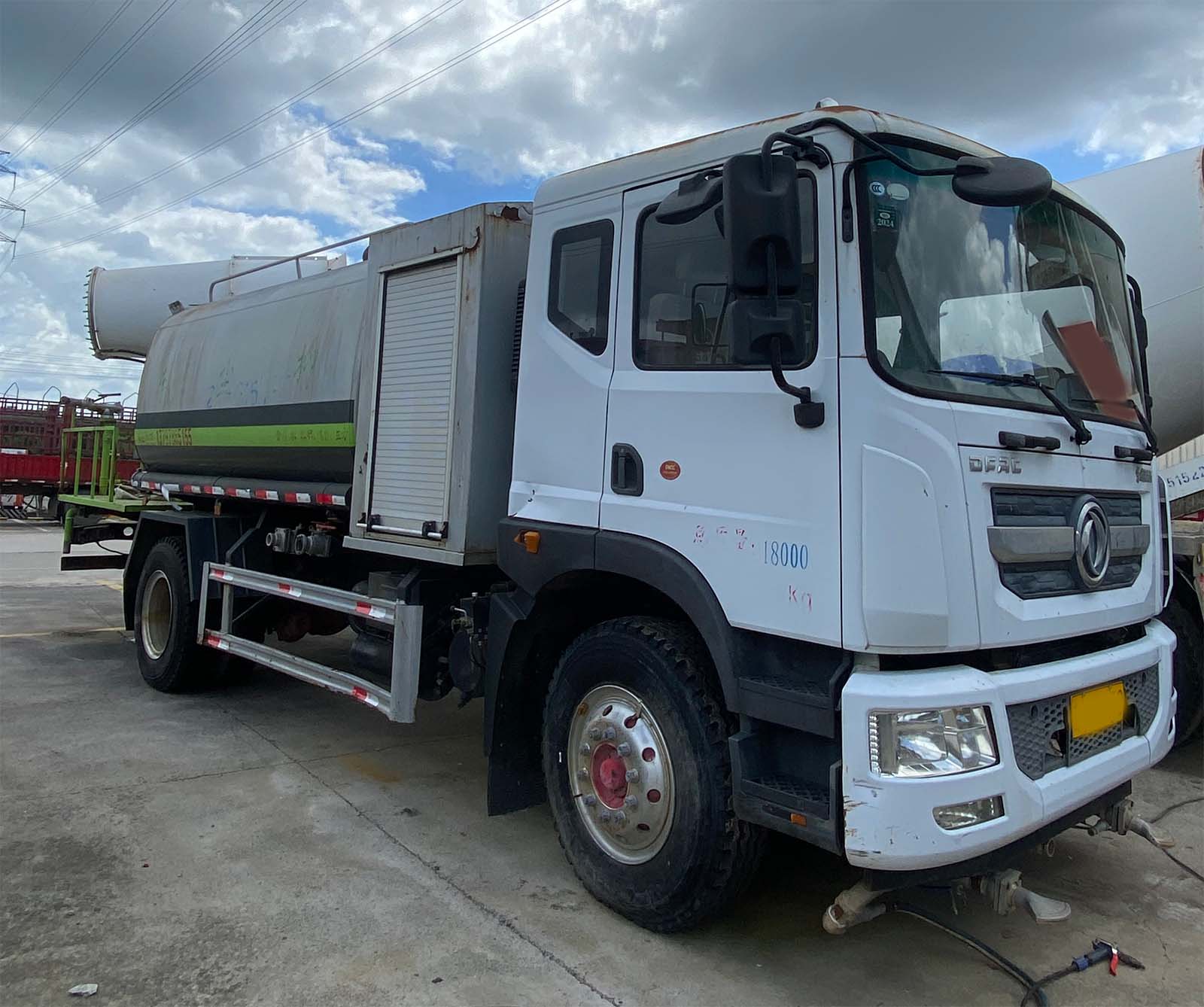
Second hand sanitation vehicles include multiple specialized models such as sprinkler trucks, compressed garbage trucks, cleaning and suction trucks, and road sweepers. With their high cost-effectiveness, fast cost recovery, and strong practicality, they are widely used in municipal cleaning, park maintenance, rural sanitation, property cleaning, and other scenarios. Unlike ordinary freight vehicles, the core value of sanitation vehicles lies in the installation of specialized equipment. Most car buyers only focus on the condition of the chassis, ignoring core components such as hydraulic systems, tank structures, and specialized pump bodies. It is easy to buy faulty or assembled vehicles, and the later maintenance costs are high. This article combines practical experience to systematically explain the selection techniques, key inspection points, standardized operation, and daily maintenance methods of second-hand sanitation vehicles, helping users choose vehicles scientifically and use them in compliance.
1、 Choose matching scenarios according to demand and refuse blind selection
The primary prerequisite for choosing a second-hand sanitation vehicle is to fit the actual operating scenario. Different sanitation vehicle models have specific functions and cannot be used interchangeably. Blind selection will result in resource waste. For daily road dust reduction, greening irrigation, and park cleaning, priority should be given to selecting small and medium-sized second-hand sprinkler trucks with moderate tonnage, flexibility, and convenience, suitable for narrow urban and rural roads. Residential areas, streets, and towns are equipped with compressed garbage trucks for the collection and transportation of household waste, with large loading capacity and good sealing to prevent garbage leakage and odor diffusion.
For sewer dredging, septic tank cleaning, and sewage transfer operations, cleaning and suction trucks should be selected, with a focus on high-pressure cleaning and vacuum suction functions. For road cleaning and dust control, road sweeping vehicles and integrated washing and sweeping vehicles are chosen. At the same time, the vehicle size is determined based on the working conditions and the size of the site. Small vehicles are given priority in narrow urban areas, while large and medium-sized sanitation vehicles can be selected for large factory areas and municipal main roads, taking into account both operational efficiency and traffic flexibility.
2、 Comprehensive vehicle condition verification, avoiding the core pitfalls of purchasing a car
The inspection of second-hand sanitation vehicles is divided into three main parts: chassis, special equipment, and overall structure. The appearance and paint are only for reference, and the core verification is the internal working conditions and original factory status. In terms of chassis, carefully inspect the engine, gearbox, and axle status, start the vehicle and listen for the running sound, check for idle shaking, abnormal noise, oil leakage, oil burning, and other issues, check for deformation, rust, and welding repair marks on the chassis beam, and prevent accidents and major repairs. Simultaneously verify the chassis number and vehicle registration information to ensure that the actual vehicle matches the file.
The installation of equipment is the core value of sanitation vehicles and also the top priority of vehicle inspection. Focus on inspecting the tank of the sprinkler truck for rust, perforation, and water leakage, checking the integrity of the waterway valves and pipeline interfaces, and ensuring sufficient water pump pressure; The garbage truck needs to repeatedly test the lifting, compression, and unloading actions, investigate hydraulic jamming, pressure relief, and oil leakage faults, and check the integrity of the sealing rubber strip; Cleaning the sewage suction truck requires actual testing of the working conditions of the high-pressure pump and sewage suction pump to confirm that the pressure meets the standard, the suction is normal, and there is no abnormal noise. Conduct a trial run with no load and light load throughout the entire process to prevent the installation of vehicles with defects.
3、 Verify compliance procedures to ensure lawful operation
Compared to ordinary second-hand cars, second-hand sanitation vehicles have higher compliance requirements, incomplete procedures, illegally modified vehicles that cannot be registered for annual inspections, and cannot operate normally. Before purchasing a car, it is necessary to fully verify the vehicle's driving license, registration certificate, certificate of conformity, and annual inspection records, confirm that the vehicle is not mortgaged, sealed, or locked, and can be transferred and settled normally.
The focus is on investigating whether vehicles have illegally modified tanks, altered pipelines, adjusted tonnage parameters, and other violations. Many low-priced second-hand sanitation vehicles have illegal modification problems and cannot pass the annual inspection in the later stage, making them prone to punishment on the road. At the same time, confirm that the announcement on the vehicle matches the actual vehicle, retain complete equipment testing records, avoid operational risks from the source, and ensure long-term legal operation of the vehicle.
4、 Standardize homework operations and reduce equipment wear and tear
The components of second-hand sanitation vehicles have natural wear and tear, and their fault tolerance is lower than that of new vehicles. Standardized operation is the key to extending the service life of the equipment. Before starting work, conduct routine inspections to confirm that there is sufficient oil and water, pipeline sealing, and no leakage in the hydraulic system. Test the operating status of the equipment to prevent operations with defects. Watering operations should avoid high-pressure direct impact on roadbeds and flower beds to prevent road damage and equipment impact; Overloading is strictly prohibited in garbage disposal, and it is forbidden to forcefully squeeze debris that may cause deformation of the container or hydraulic overload.
During cleaning and suction operations, it is prohibited for hard objects and impurities to enter the pipeline and pump body to avoid pump body jamming and damage; If there is abnormal pressure, lagging action, abnormal noise or oil leakage during equipment operation, immediately stop the machine for troubleshooting and prohibit forced operation. After completing the homework, promptly turn off the equipment and cut off the power to avoid equipment idling and loss. At the same time, strictly abide by the traffic rules for environmental sanitation operations, standardize parking and low-speed operations, and ensure construction safety.
5、 Refine daily maintenance and extend the service life of vehicles
Second hand sanitation vehicles need to pay more attention to refined maintenance and targeted compensation for equipment aging defects than new vehicles. The chassis part needs to change the oil, filter element, and brake oil periodically, and regularly check the tires, brakes, and suspension system to ensure stable driving. The installation of equipment is a key maintenance focus, and residual debris and sewage in tanks, pipelines, and boxes should be cleaned after daily operations to prevent internal corrosion and blockage of pipelines.
Regularly inspect hydraulic oil pipes, sealing gaskets, and valve accessories, replace aging and damaged parts in a timely manner, and eliminate oil and water leakage problems; Monthly testing of water pumps, high-pressure pumps, and hydraulic systems to ensure stable equipment pressure. When parked for a long time, drain the accumulated water in the tank, clean the stains on the entire vehicle, perform rust and corrosion prevention treatment, regularly start the equipment for no-load trial operation, and avoid component rust and jamming.
Summary
The core logic for selecting and using second-hand sanitation vehicles is scene adaptation, vehicle condition fidelity, compliance with procedures, standardized operation, and meticulous maintenance. Abandoning the misconception of only looking at price and appearance in purchasing, focusing on verifying the installation of specialized equipment and core working conditions, strictly adhering to operational norms and maintenance requirements, can fully leverage the high cost-effectiveness advantages of second-hand sanitation vehicles, reduce procurement and operating costs, effectively reduce frequent failures, extend equipment service life, and ensure efficient and stable sanitation operations.
