


In the fields of mainline logistics and short distance port transportation, electric tractors are favored by many logistics fleets due to their advantages of low energy consumption and zero exhaust emissions. Due to the high procurement cost of new cars, second-hand electric tractors in good condition have become a choice for many fleets to control investment and quickly recoup costs. However, there are essential differences between electric tractor and traditional fuel tractor. The three electric system is the core value of the entire vehicle. Many buyers follow the inspection approach of fuel vehicles, ignoring the battery, motor, and electronic control status, making it easy to purchase vehicles with reduced range and potential faults. This article combines industry experience to systematically explain the key points for selecting second-hand electric tractors.
1、 Determine the basic configuration of the vehicle model based on operational conditions
The first step in selecting a used electric tractor is to lock the model parameters based on daily transportation scenarios to avoid mismatches between configuration and operating conditions.
For short distance transportation within ports and logistics parks, with short daily driving mileage and sufficient charging conditions, models with medium range and lightweight can be selected; For long-distance logistics on inter provincial trunk lines, priority should be given to selecting vehicles with larger battery capacity, solid endurance, and support for high-power fast charging.
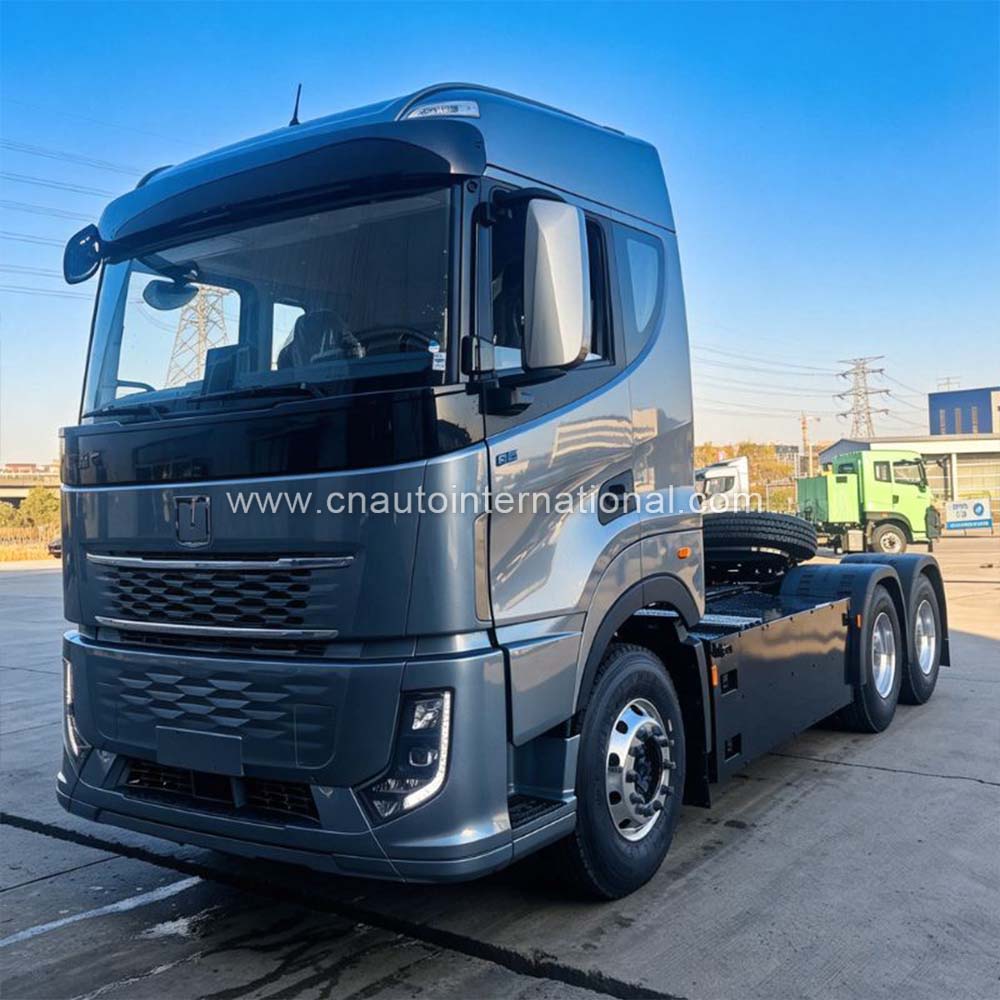
At the same time, pay attention to the driving form and load standards of the vehicle. Standard trunk transportation can choose 4 × 2 vehicle models; Frequent heavy transportation and frequent mountainous road conditions, prioritize 6 × 4 drive vehicle models. In addition, external parties must verify vehicle announcements, emission standards, and registration records to confirm that vehicles can be transferred and undergo annual inspections normally. In some areas, there are policy restrictions on the passage of old electric commercial vehicles, so research should be conducted in advance.
2、 Top priority: Comprehensive testing of power battery status
Batteries account for more than half of the cost of electric traction vehicles and are also the biggest risk point for second-hand vehicles. Testing needs to be meticulous and comprehensive.
Firstly, the seller is required to provide battery management system data to read SOC balance, cell voltage difference, and battery health SOH. Excessive single cell pressure difference and SOH below 80% indicate severe battery degradation, resulting in a significant reduction in subsequent battery life and extremely high cost of battery replacement.
On site inspection of the appearance of the battery pack, checking for any scratches, deformations, water seepage, repair and disassembly marks on the shell, and inspecting for aging and burn marks on the high-voltage harness connectors. Inquire about battery history: whether it has experienced collisions, water immersion, long-term low battery parking, or frequent fast charging. Vehicles that are charged at full capacity for a long time and frequently run out of battery life will experience significantly accelerated battery aging.
Also confirm whether the battery warranty rights can be transferred. Part of the original battery warranty supports transfer with the vehicle, and second-hand tractors with warranty have lower risks.
3、 Detect the working conditions of motors, electronic controls, and high-voltage systems
The motor and electronic control constitute the vehicle's power drive system, which directly determines the stability of the vehicle's power output.
During the test drive, feel whether the starting and climbing power is smooth, whether there is any power interruption, shaking, abnormal noise, fault light alarm and other phenomena. Repeatedly switch between acceleration and deceleration during stationary and road tests, and observe whether the vehicle controller has any error messages. Check for any leakage or impact marks on the drive motor housing, and inspect the cooling circuit pipeline for integrity.
The safety of high-voltage systems cannot be ignored. Check if the high-voltage distribution box and insulation monitoring function are functioning properly. Insulation failure is a high-frequency hazard of electric heavy-duty trucks. Once insulation failure occurs, the vehicle will trigger power limit protection, and in severe cases, it will be unable to drive directly, making maintenance and troubleshooting difficult.
4、 Chassis, cab, and overall vehicle condition inspection
After completing the three electric tests, check the chassis structure according to traditional tractor standards. Check for any deformation or welding repair marks on the frame beam, and investigate the accident vehicle; Check the air suspension/steel plate spring, braking system, and tire wear.
Enter the cab to read the vehicle's driving data, do not simply trust the displayed mileage. Based on the number of charging cycles and the degree of battery loss, comprehensively judge the actual operating mileage of the vehicle and identify meter adjustment vehicles. Test whether all functions of the air conditioning, instrument panel, fast charging interface, and onboard control system are normal.
Key differentiation of vehicle usage scenarios: Choose retired vehicles from reputable logistics companies, which have a fixed maintenance process; Be cautious when choosing construction site vehicles that engage in violent operations, long-term overloading, and frequent starting and stopping, as there are more hidden faults.
5、 Verify procedures and ensure transaction security
There are special considerations for the transaction process of electric commercial vehicles compared to fuel vehicles. Carefully check the driving license and registration certificate, confirm that the frame number, battery number, and motor number information are consistent. Check whether the vehicle is mortgaged, sealed, or has not been processed for violations.
The transaction contract must clearly indicate that the vehicle has no major accidents, no water immersion, and no major maintenance of the high-pressure system; Specify the current health status of the battery and agree on a short-term test drive and inspection cycle. If conditions permit, invite a third-party professional testing agency to issue a testing report on the three electricity system before the transaction to minimize disputes.
Summary
When choosing a used electric tractor, the core principles are to determine the model based on the working conditions, the value of the battery, and the risk of the high-voltage system. Don't just compare vehicle prices, prioritize checking the health of the power battery and the operation data of the three batteries, and avoid vehicles with severe battery degradation or high-voltage faults. Simultaneously verify the complete set of ownership procedures and implement written transaction agreements. Reasonably selecting high-quality second-hand electric tractors can not only reduce the initial procurement cost of the fleet, but also enjoy the low operating energy consumption of electrified models, helping logistics fleets achieve cost reduction and efficiency improvement.
