


Second hand excavators have become the main equipment for infrastructure earthwork, landscaping, demolition projects, and mining operations due to their high cost-effectiveness, fast cost recovery, and adaptability to multiple construction scenarios. Many car buyers value car selection and bargaining, but overlook the logic of using second-hand equipment. Unlike brand new excavators, second-hand excavators have inherent characteristics such as wear and tear, large hydraulic clearances, and aging components. If operated violently according to the new machine method, it is prone to problems such as oil leakage, stalling, motion lag, and frequent malfunctions. This article focuses on the equipment characteristics of second-hand excavators, sharing standardized usage methods from aspects such as start-up preheating, construction operation, working condition adaptation, daily maintenance, and pit avoidance points, to help users work stably, reduce maintenance costs, and extend equipment service life.
1、 Startup standard: Conduct preheating inspection to prevent violent operation of the refrigeration unit
The hydraulic system and engine seals of second-hand excavators have worn out, and the direct heavy load operation of the refrigeration unit is the primary cause of equipment failure. Before starting work every day, a basic inspection must be completed to check the oil level, hydraulic oil inventory, and water tank level for adequacy. Check the tension of the tracks, whether the bucket pin shaft is loose, and whether there is oil leakage to prevent operations with defects.
After the inspection is completed, start idle preheating. Preheat for 5 to 10 minutes at low temperatures in winter and about 3 minutes in summer. Wait for the hydraulic oil to circulate smoothly and the engine speed to stabilize before starting the operation. In the cold state, hydraulic oil has high viscosity and poor fluidity. Directly increasing the throttle to excavate soil and lift the boom will aggravate the wear of the hydraulic pump, cause plunger strain, and significantly shorten the service life of the hydraulic system of second-hand excavators. At the same time, pay attention to whether there is any abnormal noise, black smoke, or shaking in the engine during the start-up phase, and promptly investigate hidden faults.
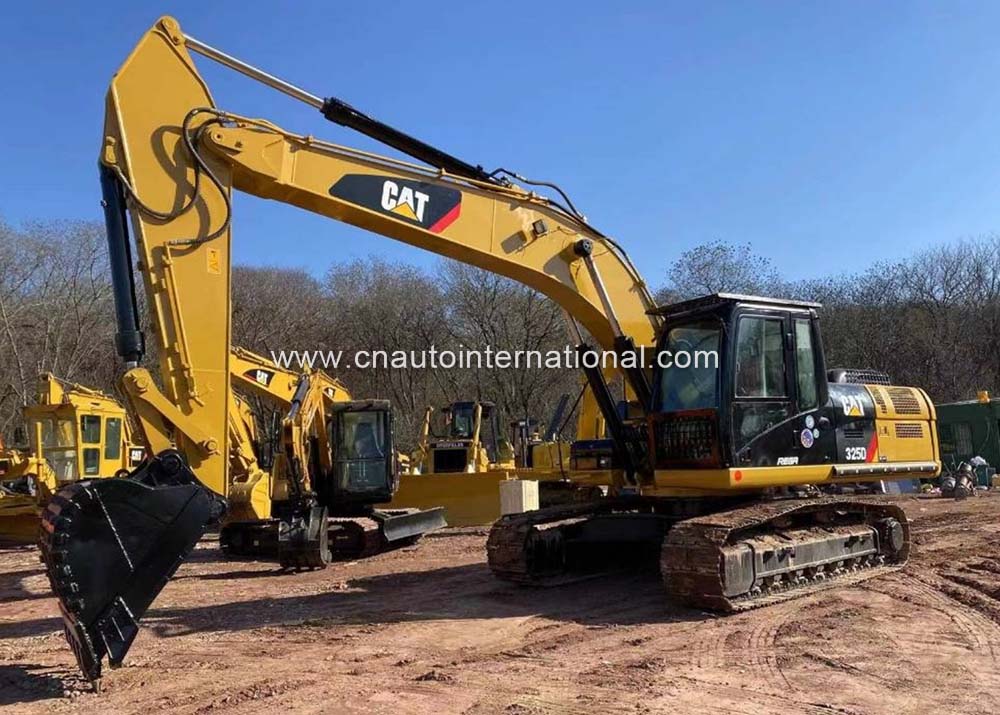
2、 Construction operation: operate gently and steadily to avoid overloading and violent construction
The core principle of using second-hand excavators is to refuse full load, hard operation, and vehicle holding operations. The new machine can withstand short-term overload conditions, while the second machine has slow hydraulic response and high component wear. Once it is stuck, hard excavated, or pushed for a long time, it is highly likely to cause hydraulic pump damage, oil pipe rupture, oil cylinder leakage, and other faults.
Daily excavation operations follow the technique of "loosening first and digging later, shallow excavation with multiple shovels", and do not directly use the bucket teeth to hard bite hard soil or stones, to avoid forced unilateral force and forced lifting. Do not use the rotational force of the aircraft to shake soil or hit obstacles, and do not use the upper arm to press down on the ground or break hard objects. Smooth start and stop during rotating operations, avoiding sudden stops and rotations, and reducing wear on the rotary motor and gear plate.
During the homework process, try to keep the machine body level. Tilting the machine body can cause uneven hydraulic force, and long-term off load operation can easily lead to problems such as deviation and uncoordinated movements, which can accelerate the exposure of the already worn second-hand phone malfunction.
3、 Working condition adaptation: Match reasonable construction scenarios according to vehicle conditions
The condition of each second-hand excavator is different, and the usage scenario must be matched according to needs, and cannot be blindly generalized. A high-quality, low hour, original version without major repairs second-hand phone that can adapt to medium intensity working conditions such as earthwork, backfilling, and infrastructure construction, with stable operational efficiency.
Equipment with average vehicle condition, high operating hours, and slight hydraulic wear should be prioritized for light load conditions such as landscaping, site leveling, river dredging, and demolition assistance, while avoiding heavy loads in mines, hard rock excavation, and long-term continuous high-intensity operations. Old excavators should try to avoid working all night for 24 hours, reserve time for heat dissipation and rest, and prevent high temperatures, pipe bursts, and sudden collapse. Reasonably matching working conditions is the most effective way to reduce the failure rate of second-hand phones and extend their service life.
4、 Shutdown and Storage: Standardized Closing to Reduce Hidden Losses
Many users only focus on the start-up operation and ignore the shutdown and finishing, resulting in increased hidden losses of second-hand excavators. Before the end of each day's work, idle the engine and hydraulic system for 3 to 5 minutes without load to slowly cool down, avoid direct shutdown due to high temperatures, prevent carbon buildup in the engine oil and hydraulic oil, and protect the engine and hydraulic components.
When stopping, place the bucket flat on the ground, retract the forearm, and fully retract the oil cylinder piston rod to avoid long-term exposure to oxidation, rust, and scratches. Clean the soil and debris adhering to the tracks and chassis to prevent long-term sticking and wear of chassis components. When parked for a long time, choose a flat and dry area, disconnect the main power switch to avoid battery aging due to power loss, and take measures to prevent dust and water damage.
5、 Targeted maintenance: Two exclusive maintenance techniques for mobile phones
The maintenance of second-hand excavators is different from that of new machines, as there is no need for excessive maintenance, but it is necessary to conduct targeted inspections and make up for deficiencies. Regularly replace the engine oil, oil filter, and diesel filter, keep the fuel system clean, and avoid blockages in the oil circuit that may cause insufficient power. Focus on inspecting the hydraulic system, regularly check the oil pipe joints and seals, replace aging oil seals in a timely manner, and prevent leakage.
High frequency inspection of the water tank cooling system, cleaning of willow catkins, dust, and soil to avoid boiling at high temperatures; Regularly lubricate the pin shaft and rotating support to reduce metal dry wear and tear. At the same time, reduce the workload appropriately according to the condition of the vehicle, and do not arbitrarily increase the throttle or change the hydraulic pressure to avoid overloading and exceeding the service life of the equipment.
Summary
For second-hand excavators to be user-friendly, durable, and require minimal maintenance, the key lies in proper preheating, gentle operation, matching working conditions, and timely maintenance. Abandoning the habit of violent operation of new machines and standardizing construction according to the wear and tear characteristics of second-hand equipment can not only ensure daily construction efficiency, significantly reduce maintenance costs, but also effectively extend the service life of equipment, quickly recoup the purchase cost, and maximize the cost-effectiveness advantage of second-hand engineering equipment.
