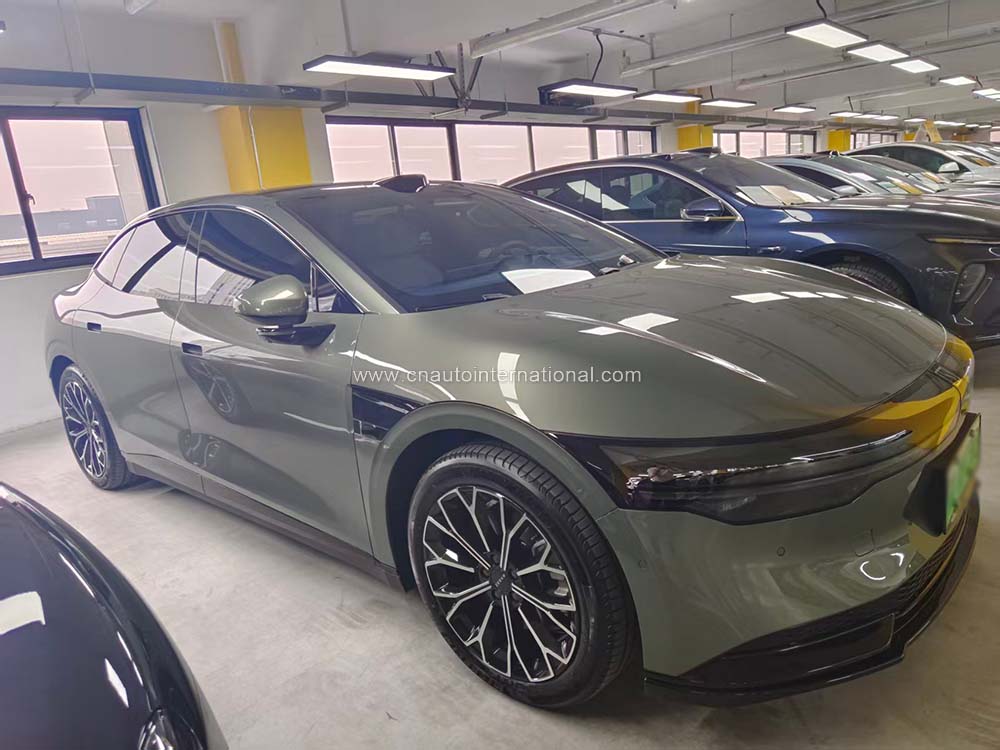
In recent years, China's new energy vehicle industry has experienced explosive growth, with the number of vehicles exceeding 40 million, laying a solid supply foundation for the second-hand new energy vehicle market. The industry has rapidly entered a new stage of large-scale development from early niche exploration, becoming the most dynamic incremental sector in the automotive circulation field.
From 2020 to 2024, the trading volume of used new energy vehicles surged from 123000 to 896000, with an average annual compound growth rate of over 65%. By 2025, the trading volume will reach 1.6 million, and the market penetration rate will rise to 7.9%. In January and February 2026, the cumulative trading volume will reach 265000, a year-on-year increase of 40%, and the penetration rate will exceed 11%, continuing to lead the growth rate of traditional fuel used cars. The core driving force is the replacement wave after the penetration rate of new energy vehicles exceeded 50%, the first batch of registered models from 2021 to 2023 entering the circulation cycle, and the increasing demand for low-cost green travel from the consumer end. The market structure continues to optimize, with pure electric vehicle models accounting for about 78% and plug-in hybrid models rapidly increasing to 20.9%. The main trading force is concentrated in the price range of 100000 to 200000 yuan, with top brands such as BYD and Tesla occupying over 60% of the market share. East and South China are the core trading regions, and the growth rate in third - and fourth tier cities exceeds 90%, presenting a pattern of "leading in the east and sinking nationwide". In the early stages of development, the industry faced three major pain points: opaque battery valuation, a gap in warranty rights, and a high depreciation rate. The average depreciation rate over three years reached 65%, far exceeding the level of 30% -40% for fuel vehicles. The core issue was the lack of unified testing standards for battery health, high replacement costs, and most brands' "lifetime warranty" only limited to first-time owners. Coupled with rapid technological iteration and the impact of new car price wars, the residual value of used new energy vehicles fluctuated dramatically.
In 2026, the industry will face a critical breakthrough. Six national ministries and commissions have jointly issued new regulations for the recycling of power batteries, clarifying that the replacement costs for lithium iron phosphate and ternary lithium batteries will be capped at 150 yuan and 180 yuan per kilowatt hour, respectively, greatly reducing the maintenance concerns of second-hand car owners; The State Council has released a plan for the recycling and utilization system of power batteries, promoting the establishment of a national standard battery health testing and traceability system. At the same time, multiple regions have optimized the cross regional circulation of second-hand cars, simplified the registration process, and combined with the continuation of the car trade in subsidy policy, the policy has comprehensively cleared circulation bottlenecks. Market entities are accelerating their layout, with mainstream car companies launching officially certified used cars, promising battery health ≥ 80% and extending partial warranty, accounting for 34.7%; Third party platforms rely on national monitoring data to build dynamic valuation models, combined with real vehicle testing to achieve transparent pricing; Second hand car dealers are gradually establishing a specialized sales system, focusing on pre new and high-value vehicle models, and promoting the market to shift from a "price war" to a "value war". The acceptance of the consumer end has significantly increased, and second-hand new energy vehicles have become the first choice for budget consumers, ride hailing and rental markets due to their advantages of being 30% -50% cheaper than new cars, having a 100 kilometer electricity bill only 1/5 of that of fuel vehicles, and having maintenance costs less than half. The demand for second cars among young people and families continues to expand.
In the long run, with the maturity of battery technology, the improvement of residual value assessment system, and the standardization of distribution channels, China's second-hand new energy vehicles will enter a period of steady growth. It is expected that the annual transaction volume will exceed 2 million vehicles in 2026, and it is expected to account for more than 20% of the total transaction volume of second-hand cars by 2030. It will not only become a key hub connecting the new car market and scrap recycling, but also promote the transformation of automobile consumption towards green and high cost-effectiveness, and help achieve the "dual carbon" goal. At the same time, relying on China's complete industrial chain and policy advantages, a replicable second-hand new energy circulation model will gradually be formed, providing a Chinese solution for the development of the global new energy vehicle aftermarket, and releasing lasting value in the stock transformation and green transformation of the automobile industry.